
Construction workers in Southern Nevada take precautions to stay safe in triple-digit heat
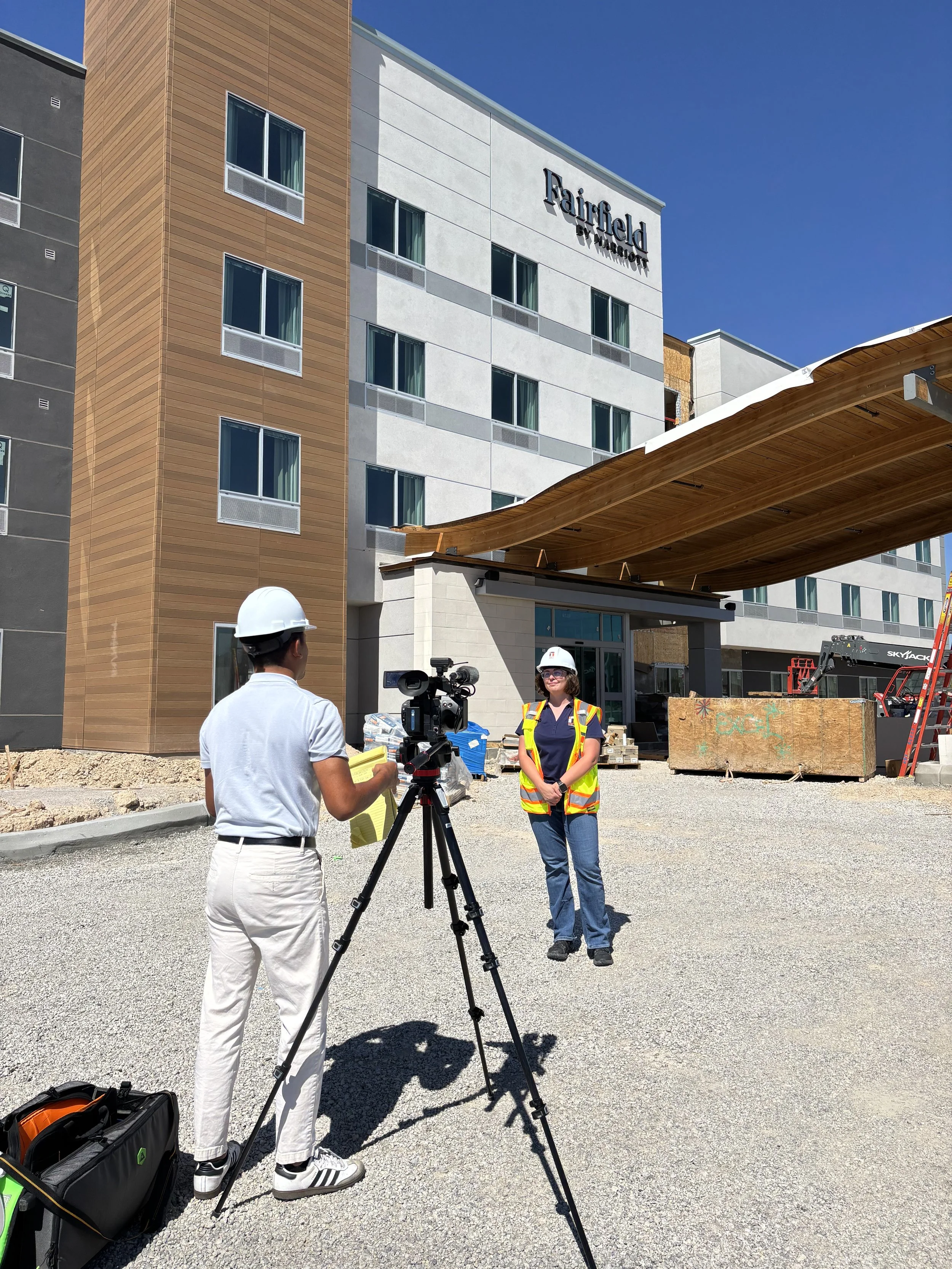
NORTH LAS VEGAS (KTNV) — As temperatures climb above 100 degrees across Southern Nevada, many people are looking for ways to stay cool. But for thousands of outdoor workers, escaping the heat is not much of an option.
Construction crews across the Las Vegas valley are working through the dangerous conditions while taking precautions to protect themselves from heat-related illness.
"It's miserable. It's the truth," said Caitlin Johnson, a project engineer and safety officer at a construction site.
Johnson helps oversee the project and is also responsible for making sure workers stay safe while spending long hours outside in extreme heat.
"You can't get out of it," Johnson said. "There's work that's got to be done out in the heat."
To help protect workers, Johnson said the site follows safety measures, including cooling stations required by the Occupational Safety and Health Administration.
"OSHA makes it so easy so everyone has a basic foundation that everyone starts with, so the cooling stations are definitely OSHA required," Johnson said.
Crews have several ways to manage the heat, including taking breaks at shaded cooling stations stocked with water and electrolytes. Workers also wear loose, long clothing to help protect themselves from the sun and adjust their schedules by starting earlier to avoid the hottest parts of the day.
Johnson said heat safety is something workers need to take seriously.
"This could be a life-and-death situation," Johnson said. "Making sure that everyone is taking regular breaks for whatever they need, whether it's 15 minutes, 30 minutes, because they are starting to feel the heat effects, is really important because we want everyone to go home just the way they came in."
Johnson said workers should watch for warning signs of heat-related illness, including feeling lightheaded, dizzy, nauseous or simply not feeling well.